


I found LTK most useful when I treated it as a visual shopping notebook rather than a conventional store. The app brings together creator looks and the products connected to them, so the starting point is usually an outfit, room, beauty idea, or lifestyle image instead of a search box and a product name. That difference matters: I can discover a complete style first, then decide which individual pieces are worth investigating.
My overall view is positive but measured. LTK is a free shopping app from rewardStyle, rated for Everyone, and it has grown to more than a million installs. Its appeal is clear for people who like following creators and saving inspiration, but the experience is less convincing for shoppers who already know exactly what they want or who prefer a simple retailer catalog with minimal browsing.
How LTK turns creator content into a shopping workflow
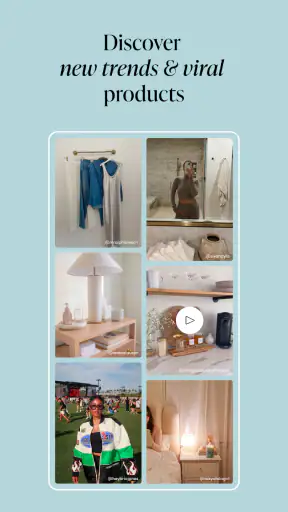
Browsing feels closer to a personalized style feed
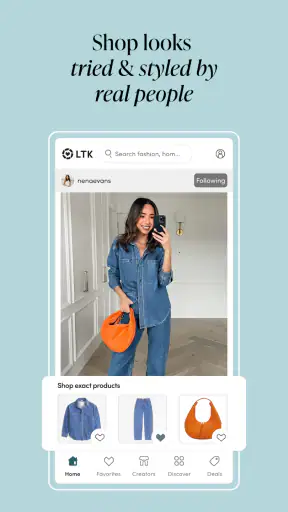
The central experience is scrolling through creator-led posts and opening the items shown in them. Instead of comparing isolated products immediately, I see how clothing, accessories, cosmetics, or home pieces are used together. That context is the app’s strongest argument. A plain product listing can tell me what a jacket looks like against a blank background; a creator post can show how it works with trousers, shoes, and a particular mood.
This approach is especially helpful when I have a vague goal. If I need an outfit for a dinner, ideas for a small living room, or a few practical additions to a seasonal wardrobe, I can browse until something feels close to my taste. The app is less about answering “Which exact black sweater should I buy?” and more about helping me form a visual direction before I shop.
I also appreciate that the content can expose combinations I would not have searched for directly. A user may open a post for a handbag and end up noticing the shoes, layering piece, or styling detail around it. That discovery path is more natural than typing broad terms into a retailer’s search field, although it also requires more patience.
The useful detail is in the move from inspiration to item
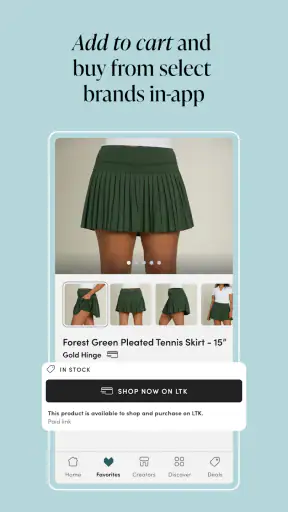
LTK becomes practical when a post includes several recognizable products. Tapping through the featured pieces lets me move from the creator’s presentation toward individual shopping pages. That saves time compared with taking screenshots, searching each item manually, and trying to identify a brand from a partial view.
My advice is to use the app in two passes. On the first pass, I browse without trying to buy anything. I save or mentally note the silhouettes, colors, and combinations that keep appearing. On the second pass, I return with a narrower question: do I need the exact item, or do I only want the same effect? This prevents the feed from turning every attractive image into an impulse purchase.
That two-stage habit is one of the better ways to use LTK. The app is good at generating possibilities, but the final decision still benefits from ordinary shopping checks: material, measurements, return terms, delivery expectations, and the difference between a creator’s styled presentation and the product on its own.
It works best as a collection of trusted starting points
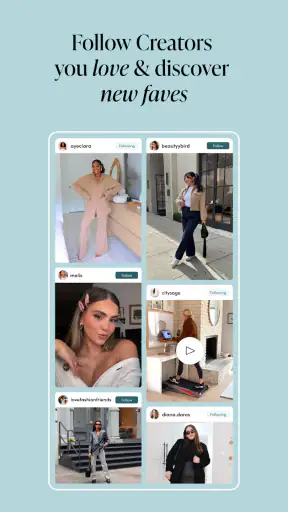
Following creators whose taste matches mine makes the feed more useful over time. A broad stream can contain plenty of attractive posts that are irrelevant to my budget, climate, size needs, or personal style. Curating the people I follow is therefore more important than simply installing the app and scrolling.
I would not judge the service only by how many posts appear. The real value comes from whether the creators I find consistently explain or demonstrate choices I can use. One practical method is to follow a mixture of accounts: one for everyday clothing, one for interiors, one for beauty, or whatever categories I actually shop. That gives the feed a purpose instead of making it another endless source of visual noise.
There is also a useful distinction between inspiration and recommendation. A creator’s post may show an appealing look, but that does not automatically make every linked item a good purchase for me. I treat the content as a curated lead, not an independent product test. That mindset keeps the app enjoyable without handing over every buying decision.
What the current app details mean for compatibility
The current version is 6.15.0.16500 and requires operating system version 9 or newer. For most reasonably recent Android or iOS devices, that should make LTK easy to consider, but anyone using an older phone should check compatibility before planning around it. The app is free to install, which lowers the barrier to trying it, though the products discovered through it are still separate shopping decisions.
Its average rating is 3.0 from roughly 5,600 ratings, with about 1,700 written reviews. I read that as a reason to keep expectations realistic rather than as an automatic rejection. LTK’s concept is appealing, but a content-heavy shopping experience can feel very different depending on the quality of the feed, the creators followed, and how smoothly an individual product journey works.
A realistic everyday scenario
Imagine I am getting dressed for a work event and know I want something polished but not overly formal. On a normal retail site, I might search for a blazer, then separately look for trousers and shoes. On LTK, I can first browse complete looks and identify a proportion that feels right. Perhaps I notice that the outfit works because the jacket is relaxed, the trousers are straight, and the accessories keep the colors quiet.
From there, I can inspect the linked pieces and decide where to spend. Maybe I buy only a similar blazer and use shoes I already own. That is a better outcome than copying an entire look automatically. The app supplied the visual problem-solving; I still made the budget-conscious choice.
The same workflow applies to a room refresh. I can look for a combination of lighting, textiles, and storage ideas, then use the individual links as references. The benefit is not merely locating products. It is seeing scale, color relationships, and placement in a lived-in setting before deciding whether the idea suits my own space.
The main limitation: discovery can become shopping fatigue
LTK’s greatest strength is also its main weakness. A feed built around attractive creator content encourages continued browsing, but not every post helps me reach a decision. When several similar looks appear, I may collect ideas without actually narrowing them down. The app can make shopping feel inspiring, yet it can also make the process longer than a direct retailer search.
There is a second trade-off in creator-led shopping: the presentation is part of the recommendation. Styling, lighting, photography, and the creator’s personal image can make an item seem more compelling than it would in an ordinary wardrobe or home. I need to separate the appeal of the scene from the qualities of the product itself.
For that reason, I would not use LTK as my only source for high-consideration purchases. If I am buying something where durability, technical specifications, fit, or after-sales support matters most, a specialist retailer or manufacturer page is usually a better final checkpoint. LTK can help me discover the category or model, but it is not a substitute for careful verification.
Where it compares well with ordinary shopping apps
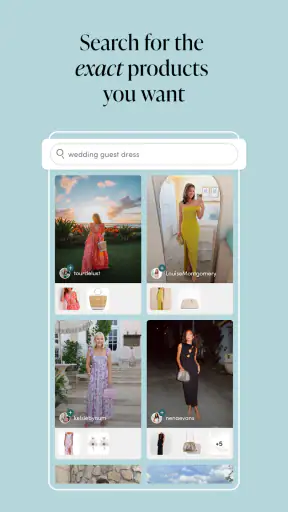
Compared with a standard retailer app, LTK is stronger at showing combinations and weaker at direct, controlled search. Retail apps usually win when I know the brand, size, color, or product type I want. They are designed to filter a catalog. LTK wins earlier in the process, when I am unsure what to search for or want to see how an item fits into a broader look.
Compared with a social platform, LTK has a clearer shopping purpose. A general social feed may provide inspiration, but the route from an image to its products can involve guesswork. LTK makes that connection more central. The trade-off is that the experience can feel more commercially focused than casual browsing elsewhere.
Compared with a visual bookmarking service, LTK is more immediately actionable because the content is tied to shopping paths. A bookmarking service may offer a wider range of ideas, including handmade projects or images with no purchase route. LTK is better when I want creator styling connected to products, but less suitable when I am collecting purely visual references without any intention to shop.
Three habits that make the app more useful
First, I recommend separating creators by the problem they solve. An account that is excellent for affordable everyday outfits may not be useful for formalwear or interior planning. A focused following list makes the feed easier to interpret and reduces the need to scroll through unrelated content.
Second, I use posts to build a short visual brief before opening product pages. I note the shape, color family, and one or two details I like. This helps me search for substitutes when the linked item is not appropriate. It also protects against treating a creator’s exact purchase as the only answer.
Third, I compare the linked item with my existing wardrobe or home before buying. A creator post can make a single piece look versatile because it is surrounded by carefully chosen companions. I ask whether I can create at least a couple of combinations with what I already own. If not, the post may be inspiration rather than a sensible purchase.
A fourth habit is to use the app when I have time to explore, not when I need an urgent answer. If I need a specific replacement today, a retailer with clear stock and delivery information is more efficient. LTK is at its best when discovery itself is part of the task.
Who should try it, and who should skip it
I would recommend LTK to shoppers who enjoy creator content, make decisions visually, and often begin with “I want this kind of look” rather than a precise product name. It is also a good fit for people refreshing a wardrobe, planning an occasion outfit, collecting home ideas, or looking for practical examples of how pieces work together.
It may be especially useful for someone who feels overwhelmed by huge retail catalogs. Seeing a complete look can reduce the number of choices at the beginning. Instead of comparing hundreds of isolated products, I can identify a few visual directions and then investigate the pieces that support them.
I would be more cautious about recommending it to a highly price-sensitive shopper who wants the cheapest available option, or to someone who dislikes influencer-style presentation. It is also not my first choice for a person who already knows the exact model or brand they want. In those cases, a direct retailer, marketplace, or specialist store will usually involve fewer steps.
Users who prefer strictly editorial product testing should also understand the app’s role. LTK is built around creator-led discovery, so I would not assume that a linked item has been independently evaluated simply because it appears in a polished post. I use other sources when I need detailed comparisons, technical evidence, or a broad range of customer experiences.
My final verdict after using it as a shopping companion
LTK succeeds because it understands a real problem: many shopping decisions begin with an atmosphere, outfit, or room idea rather than a product keyword. Its creator-centered feed makes those vague intentions easier to explore, and its product connections can shorten the distance between inspiration and a realistic shopping list.
Still, I would not describe it as a complete replacement for ordinary shopping apps. The feed can encourage over-browsing, polished content can influence judgment, and direct searches remain faster when I know exactly what I need. The best results come from using LTK for discovery and visual context, then switching to careful product research before paying.
For me, the clearest recommendation is this: try it if you want help shaping a style or finding creator-led ideas, and keep it as a source of leads rather than an automatic buying authority. The free price makes experimentation easy, while the Everyone rating keeps it broadly accessible. Just remember that the app is most valuable before the final purchase decision, when seeing a product in context can reveal possibilities that a standard catalog would leave hidden.
In short, rewardStyle has made a focused shopping app for people who like to discover through real looks and curated taste. I would keep LTK on my phone for outfit and home inspiration, but I would pair it with a retailer or specialist source whenever fit, value, durability, or exact availability matters more than visual discovery.


